Exploring Memory Care: Critical Knowledge for Optimal Caregiving
Steering through memory care presents specific challenges for caregivers. Understanding the various types of memory impairments is essential for effective support. Caregivers must create personalized communication strategies and create environments that foster protection and confidence. Daily routines and engaging activities play a important role in emotional health. However, the demands of caregiving can take a toll on personal health. Investigating these aspects reveals essential insights that can transform the caregiving experience.
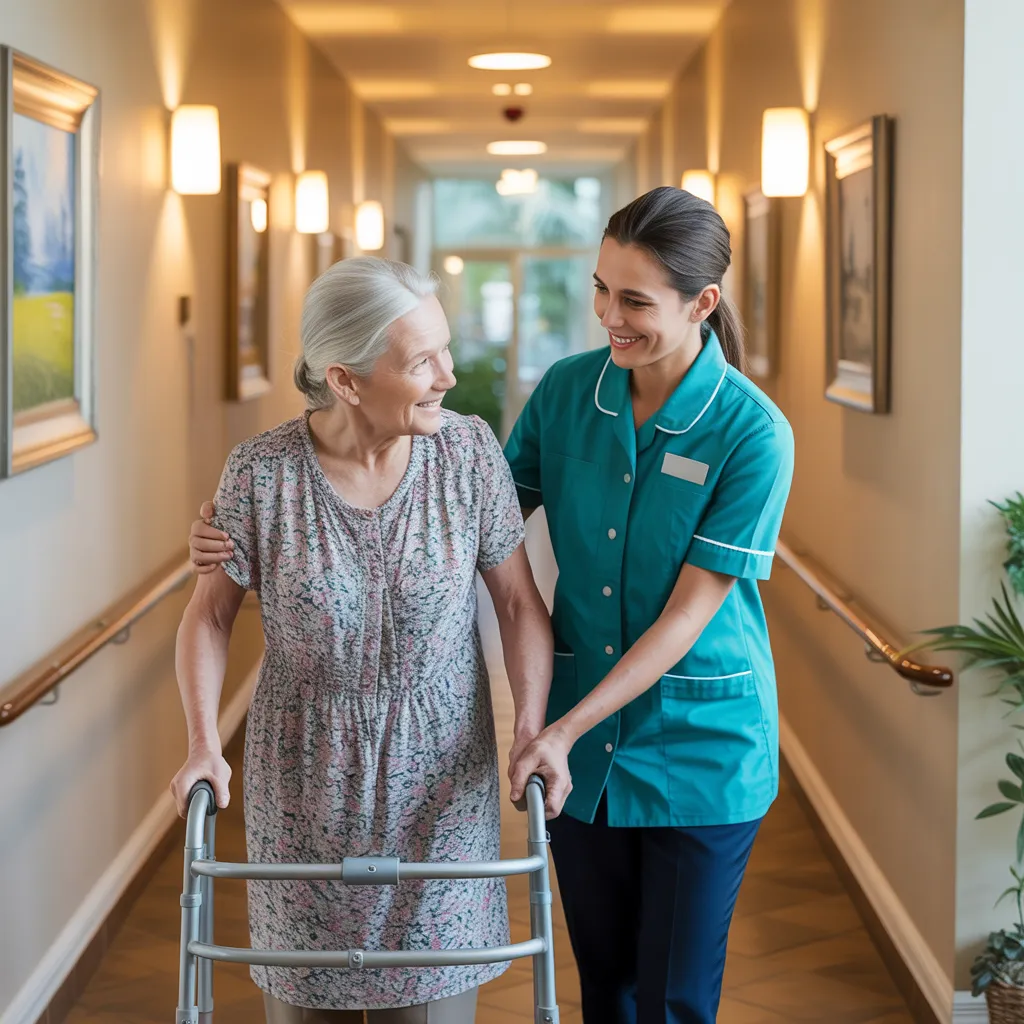
Comprehending Memory Deficits: Key Issues and Signs
Though memory impairments can arise from multiple sources, grasping the main conditions and symptoms related to these cognitive challenges is vital for effective care. Alzheimer's disease, a progressive neurological disorder, is one of the most frequent causes of memory loss, marked by gradual cognitive decline and disorientation. Vascular dementia, caused by reduced blood flow to the brain, can trigger sudden memory difficulties and confusion. Other conditions, like Lewy body dementia and frontotemporal dementia, also present distinct symptoms that caregivers must understand.
In addition to these illnesses, factors like traumatic brain injury, substance abuse, and depression can also contribute to memory impairments. Indicators may include challenges recalling recent events, confusion regarding time and place, and difficulties in performing familiar tasks. By recognizing these conditions and signs, caregivers can more appropriately adapt their approaches, making certain that those affected receive the proper support and interventions required for their welfare.
Communication Strategies for Effective Caregiving
Clear communication is vital for caregivers helping individuals experiencing memory impairments. By utilizing active listening techniques, understanding nonverbal communication cues, and implementing simplified language, caregivers can create more meaningful interactions. These strategies not only boost understanding but also promote a sense of dignity and respect in the caregiving relationship.
Active Listening Strategies
What role does active listening play in transforming caregiver communication with memory care individuals? Active listening serves as an essential method that improves comprehension and rapport. It involves fully concentrating on the speaker, acknowledging their feelings, and responding thoughtfully. Caregivers can better their engagement by holding eye contact, offering nods, and providing verbal validation, proving they cherish the speaker's thoughts. This technique promotes an atmosphere of trust and respect, inspiring those in memory care to share more candidly. Through contemplating the spoken copyright and posing clarifying inquiries, caregivers can more effectively understand the requirements and feelings of those in their care. Ultimately, active listening can lead to more meaningful exchanges, reducing frustration and enhancing the overall caregiving experience.
Non-Verbal Communication Signals
Nonverbal interaction indicators, such as facial expressions, gestures, and posture, fulfill a vital purpose in the interactions between caregivers and individuals in memory care. These cues can express empathy, reassurance, and understanding, often better than copyright alone. A warm smile may help to ease anxiety, while an open posture can signal approachability. Additionally, caregivers should be sensitive to the nonverbal signals displayed by those in their care. Changes in body language or facial expressions might reveal discomfort or confusion. By identifying and addressing these cues, caregivers can create a supportive environment that promotes trust and connection. Ultimately, effective nonverbal communication improves the quality of care and enhances the overall experience for both caregivers and individuals with memory impairments.
Clear Language Implementation
Clear communication is essential in memory care settings, and straightforward language functions as a key strategy for caregivers. By utilizing straightforward vocabulary and short sentences, caregivers can improve comprehension and minimize frustration for individuals with cognitive impairments. This approach stimulates involvement and develops a sense of dignity. Caregivers should bypass complex phrases or idioms that may confuse patients and instead opt for direct, explicit instructions. Repetition can also help comprehension, serving to strengthen messages without overwhelming the individual. Additionally, caregivers should remain patient, providing adequate time for answers. Including visual aids along with simplified language can also improve communication effectiveness. Eventually, these strategies promote a supportive environment, improving the quality of interactions and overall care for those in memory care.
Establishing a Protected and Encouraging Space
Building a secure and nurturing environment is essential for individuals with memory impairments, as it directly affects their quality of life and well-being. A well-organized space decreases confusion and minimizes the risk of accidents. Caregivers should focus on eliminating hazards, such as clutter and sharp objects, while making sure that important items are easily accessible. Appropriate lighting is essential, as it can help individuals navigate their surroundings more safely.
Adding familiar objects and personal mementos can trigger positive memories and provide comfort. Furthermore, the environment should foster a sense of belonging, featuring warm colors and inviting décor to create a read now comfortable atmosphere. Routinely assessing and adapting the space to meet the evolving needs of the individual is also essential. By fostering a nurturing environment, caregivers can elevate the overall experience for those with memory impairments, finally supporting their dignity and independence.
Regular Practices and Actions That Foster Involvement
Setting up everyday schedules and stimulating activities is essential for those with memory loss, as these elements can considerably improve brain function and emotional wellness. Predictable schedules create structure, decreasing anxiety and confusion. Incorporating well-known tasks, such as preparing food or tending plants, fosters a sense of achievement and promotes memory recall.
Activities personalized to individual preferences, including music therapy or art projects, can promote cognitive engagement while promoting self-expression. Group activities, such as games or storytelling, build social connections, which are essential for emotional health.
Exercise, like walking or dancing, promote overall well-being and can boost mood. Additionally, incorporating sensory experiences, including aromatherapy or tactile objects, can trigger positive memories and improve engagement. In the end, a comprehensive routine that includes cognitive, physical, and social activities promotes a richer quality of life for those with memory challenges.
The Critical Nature of Self-Care for Caregivers
Although caregivers frequently put the needs of those they care for first, failing to attend to their personal well-being may result in exhaustion and reduced competence. The psychological and bodily pressures of providing care can be exhausting, rendering personal wellness essential for preserving one's health and vitality. If those providing care neglect to rejuvenate, they can face heightened tension, worry, and exhaustion, which can negatively impact their ability to provide quality care.
Taking part in self-care practices—such as consistent physical activity, healthy eating, and adequate rest—can significantly improve a caregiver's resilience. Furthermore, allocating time for individual hobbies and social connections fosters a sense of balance and fulfillment. By understanding their own needs, caregivers can ensure they remain emotionally and physically capable of supporting their loved ones. In the end, prioritizing self-care not only benefits caregivers but also enhances the overall quality of care provided to those living with memory impairments.
Support Networks and Resources for Caregivers
A solid support network is vital for caregivers navigating the difficulties of memory care. Access to multiple resources can significantly ease the mental and physical strains connected to caregiving. Both local and national organizations, such as the Alzheimer's Association, deliver educational materials, support groups, and helplines that connect caregivers with others experiencing similar struggles.
Online forums and social media groups provide a platform for exchanging advice and experiences, promoting a sense of community. Moreover, respite care services permit caregivers to take necessary breaks, making certain they sustain their overall health.
Workshops and training programs equip caregivers with practical skills and strategies for addressing the challenges of memory care. Moreover, obtaining assistance from healthcare professionals can provide tailored guidance and interventions. By making use of these resources and networks, caregivers can strengthen their ability to provide compassionate and effective support to their loved ones, eventually improving their own quality of life.
Common Questions
How Can I Deal With My Own Stress When Providing Care?
To manage stress while caregiving, it's important to focus on self-care, establish boundaries, look for support from others, commit to regular physical activity, and practice relaxation techniques, maintaining a balanced approach to both personal well-being and caregiving responsibilities.
Which Financial Support Options Exist for Memory Care?
Different financial assistance possibilities for memory care include Medicaid, long-term care insurance, veteran benefits, and state-specific programs. Families should explore eligibility guidelines and application processes to acquire the necessary funding for quality care.
What's the Best Way to Choose a Memory Care Facility?
Picking the right memory care facility entails exploring options, visiting possible locations, examining staff qualifications, assessing safety measures, understanding available activities, and considering family involvement to provide a supportive and engaging environment for residents.
Which Important Legal Documents Do Caregivers Require?
Vital legal documents for caregivers include durable POA, medical proxy, living wills, and guardianship papers. These documents ensure caregivers can make educated decisions and oversee the medical and financial affairs of those they look after.
What's the Best Way to Involve Family Members in Caregiving?
To include family members in caregiving, one can arrange regular meetings to address responsibilities, encourage engagement in daily activities, share updates about the loved one's condition, and establish transparent communication to build collaboration and support.